
 WWG Hub







- Home
- Services
- Plant Maintenance Contracts
Services
Plant Maintenance Contracts
Daya Bumimaju is capable of designing and integrating complicated process flow to offer one-stop vertically integrated solution to petrochemical and power management companies. Our solutions help our client in resolving their major critical issue in refineries plant as well as off shore operations.
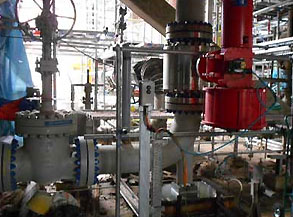


Today, the energy value chain consists roughly of: (a) The developers that build and operate the refineries, (b) the turbine or PV manufacturers, and (c) the maintenance business also known as MRO for maintenance, repair and overhaul. This latter MRO market is expected to reach a value of USD$9.1 billion by 2013.
With more than 100 man-years of engineering experience, we are able to offer the next generation sustainable energy MRO Services for the equipment parts used in petrochemical power plant and related system. In additional, the methodology developed is suited to the green energy power plant such as wind, solar and wave as well. Sustainable energy MRO development is being called upon to meet strategically important market challenges and needs. Power utility restructuring, increasingly stringent environmental regulations, and a growing demand for peaking power, intermediate duty, and distributed generation are combining to establish the need for a next generation sustainable energy systems. The MRO market is sizable and the payoff in environmental and cost-of-electricity benefits is great through improvements in efficiency and reduction of emissions levels, particularly with the 50-year replacement cycle.
The company not only able to provide maintenance services to the system but offer a new methodology that able to provide a next generation innovative MRO method that extend the life of all the power plants, and lower emissions from power plants. This is a critical technological program for the power plant worldwide because not only that it increases the plant effectiveness, efficiency, availability and equipment recovery times but also it decreases the total cost of ownership, production cost and spares inventory holdings. The most critical issue is to improve cycle times and reduces total cost of ownership and protects worldwide energy security.
More Images
 Back to All Services
